

#

Hearing protection

Sound waves are very harmful to your hearing. Protect yourself and discover our Delta Plus hearing protection, quality and reliability guaranteed.


#
Filtres 10 resultados
Filtrar
header
Categoría de productos
Protección de la cabeza
Protección auditiva
Sector de actividad
Agricultura Industria / forestal / Pesca
Construcción
Servicios públicos - Energía
Industria manufacturera
Industria alimentaria
Petróleo y gas (extracción) Petroquímica Industria minera
Transporte Almacenamiento
Servicios corporativos
Otros sectores
Riesgos
SNR (dB)
Amable
NRR (dB)
Color principal
Utilizar

¿Cómo elegir la protección auditiva?

La protección auditiva es fundamental en entornos ruidosos para preservar la salud de nuestros oídos y evitar daños permanentes. Para seleccionar el protector adecuado, es esencial considerar diversos factores:


El número de decibelios en el lugar de trabajo :

La intensidad del ruido se mide en decibelios (dB). Cuanto más elevado sea el número de decibelios, más fuerte será el ruido y, por lo tanto, mayor será la necesidad de protección. Es fundamental conocer el nivel de ruido al que estás expuesto para seleccionar la protección auditiva adecuada:


  • Menos de 85 dB: En estos niveles, el ruido no es perjudicial, pero aún puede ser molesto. Es posible que no necesites protectores, pero si optas por usarlos, los tapones de espuma suaves pueden ser suficientes.
  • 85 dB a 100 dB: Aquí es donde comienza el rango de daño potencial. Es esencial usar protectores auditivos en estos entornos, especialmente si estás expuesto durante períodos prolongados. Los tapones para los oídos, ya sean desechables o moldeados, son ideales para estos niveles.
  • Más de 100 dB: En estos niveles, el ruido es peligrosamente alto. Se requiere protección adicional, como orejeras o una combinación de tapones y orejeras.


La elección correcta no solo se basa en el nivel de ruido, sino también en la comodidad y la practicidad. Asegúrate de probar diferentes tipos para ver cuál se adapta mejor a tus necesidades y preferencias.

What Are the Different Types of Hearing Protection?

There's a diverse range of hearing protection devices designed to safeguard your auditory health. Here are some of the most common types:


Earplugs

Earplugs are small devices that fit directly into the ear canal. They come in a variety of materials, from foam and silicone to custom molded options.


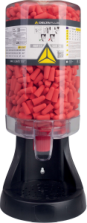
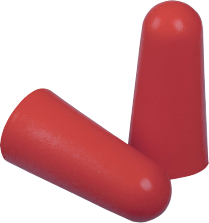
Foam Earplugs are disposable, cost-effective, and offer substantial noise reduction. They are compressed before insertion, expanding to fit the ear canal.


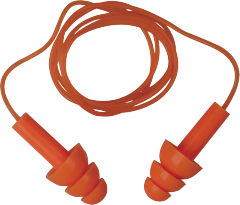
Silicone and Flanged Earplugs are reusable and typically more durable than foam plugs. They often have a flanged design to create a seal against the canal wall.


Molded Earplugs are custom-made to fit the wearer's ear, offering comfort and effective noise reduction. They are typically more expensive, but their durability makes them a worthwhile investment.


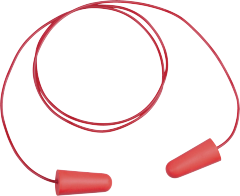
Corded Earplugs are attached with a cord to prevent loss and allow for easy removal and reinsertion.


Earmuffs

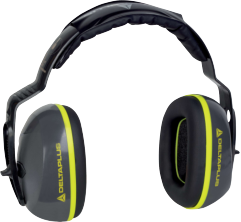
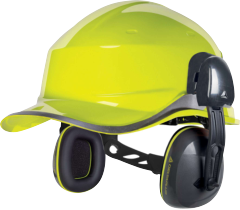
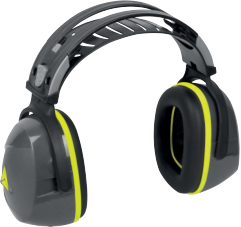
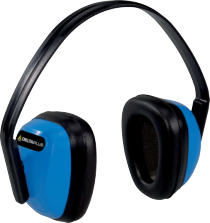
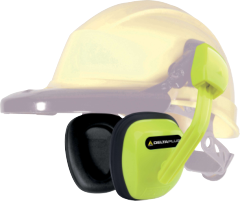
Earmuffs cover the entire outer ear and form a seal to block out noise. They are adjustable and typically offer higher levels of protection than earplugs. However, they can be hotter and more cumbersome.


Standard Earmuffs provide ample noise reduction and are easy to put on and take off, making them suitable for situations where noise exposure is intermittent.


Electronic Earmuffs amplify quiet sounds while reducing loud ones, making them ideal for situations where communication or hearing certain sounds is important.


Ultimately, the type of hearing protection chosen will depend on the nature of the noise, the duration of exposure, the Noise Reduction Rating (NRR) needed, and the user's comfort.

Why Wear Hearing Protection?

Hearing protection is an essential part of personal safety equipment, particularly in environments where noise levels exceed safe thresholds. But why is it so crucial?


Noise-induced hearing loss (NIHL) is a significant occupational hazard, often resulting from prolonged exposure to high noise levels. It is a gradual and cumulative process, with the potential damage going unnoticed until it's too late. Unfortunately, once damaged, our hearing doesn't recover.


Wearing hearing protection helps to prevent NIHL by reducing (attenuating) the amount of noise that reaches the eardrums. This protection is crucial in high-noise environments, such as construction sites, factories, airports, or even certain recreational activities.


Moreover, adequate hearing protection can help prevent tinnitus, a constant ringing or buzzing in the ears often associated with noise exposure. Tinnitus can be a debilitating condition, causing sleep disturbances and concentration problems.


Beyond safeguarding your hearing health, appropriate ear protection can also increase concentration by reducing the distraction from background noise. This can enhance productivity and reduce the likelihood of accidents due to distraction.


In summary, wearing hearing protection is an essential measure to prevent long-term hearing damage, enhance concentration, and maintain overall well-being in noisy environments.

Example Text

Example Rich Text